
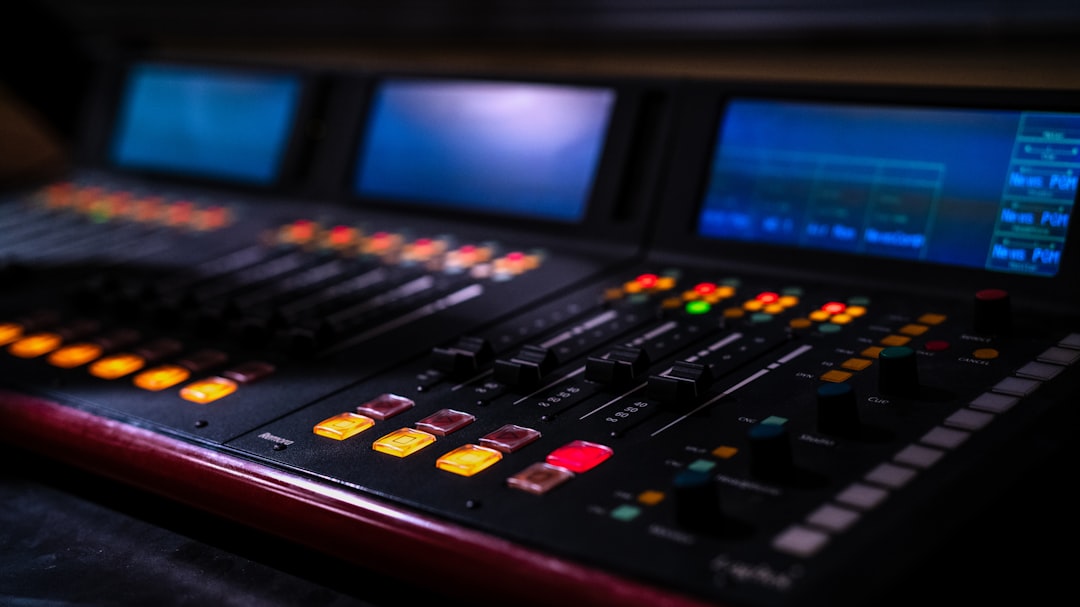
Building a home recording studio for voice work and podcasting transforms audio quality from amateur to professional. Whilst expensive commercial studios offer pristine acoustics, dedicated home studios can achieve professional results with careful planning and modest investment. This guide walks through the process of converting a spare room into a functional recording space suitable for podcasting, voiceover work and music production.
Choosing the Right Room
Room selection dramatically impacts final audio quality. Small rooms create problematic resonances and standing waves that muddy recordings. Large rooms with high ceilings provide better acoustics but may require more treatment materials. Square rooms with identical length, width and height dimensions create the worst acoustic problems through reinforcing resonances at the same frequencies.
Ideally, choose a room with different dimensions to spread resonances across the frequency spectrum. Rooms approximately 3 by 4 by 2.5 metres work well for voice recording. Avoid rooms with large windows that allow external noise and create difficult acoustic reflections. Ground-floor rooms typically experience less vibration from footfall above.
Consider the room's location within your home. Rooms adjacent to busy streets, above garages, or near kitchens and bathrooms suffer from intrusive noise. Internal rooms away from external walls provide better acoustic isolation. If working from home with others present, ensure your recording schedule won't conflict with household activities.
Understanding Acoustic Treatment vs Soundproofing
Many home studio builders confuse acoustic treatment with soundproofing. These serve different purposes requiring different approaches. Soundproofing prevents sound transmission between rooms, keeping external noise out and recording sound in. Acoustic treatment controls sound behaviour within the room, reducing reflections and managing frequency response.
Soundproofing requires mass, isolation and sealed air gaps. Adding mass to walls, creating air gaps between layers, and sealing every crack prevents sound transmission. True soundproofing demands significant construction and expense. Most home studios focus on acoustic treatment whilst accepting some sound transmission limitations.
Acoustic treatment uses absorption and diffusion to control reflections and manage frequency response. Absorption materials reduce reflection intensity, whilst diffusion scatters reflections to prevent flutter echo and standing waves. Proper acoustic treatment dramatically improves recording quality without expensive structural modifications.
Essential Acoustic Treatment
Bass Traps
Low-frequency energy accumulates in room corners, creating muddy, boomy recordings. Bass traps placed in corners absorb low-frequency energy, tightening bass response and improving clarity. Commercial bass traps use dense mineral wool in substantial enclosures positioned from floor to ceiling in room corners.
DIY bass traps can be constructed using Rockwool RWA45 or similar mineral wool wrapped in fabric. Construct frames from timber, fill with mineral wool, wrap in acoustically transparent fabric, and position in room corners. Four corner bass traps provide noticeable improvement in most rooms.
Absorption Panels
First reflection points on walls and ceilings require absorption treatment. Sound reflecting from walls at the mixing position creates comb filtering that colours audio. Position absorption panels at points where a mirror on the wall would show the speakers when seated at the mix position.
Commercial acoustic panels typically use 50-100mm mineral wool in fabric-covered frames. DIY panels can be constructed similarly at fraction of commercial cost. Mount panels using picture frame brackets or adhesive velcro strips. Covering 20-30% of wall surface area typically provides adequate absorption without over-deadening the room.
Diffusion
Whilst absorption reduces reflections, too much absorption creates a dead, unnatural sound. Diffusion scatters reflections without removing acoustic energy, maintaining liveliness whilst preventing problematic reflections. Commercial diffusers use mathematical patterns of wells and ridges to scatter sound across wide frequency ranges.
Bookshelves filled with books of varying depths provide effective DIY diffusion. The irregular surface scatters mid and high frequencies, preventing flutter echo. Position diffusion on rear walls behind the listening position to maintain room energy whilst managing reflections.
Budget Acoustic Treatment Solutions
Professional acoustic treatment can cost thousands of pounds. However, budget-conscious approaches deliver significant improvements at modest cost. Heavy curtains over windows and on walls provide broadband absorption. Carpet or thick rugs on hard floors reduce floor reflections. Furniture placement breaks up parallel wall surfaces and provides diffusion.
Rockwool acoustic insulation wrapped in fabric creates effective absorption panels at minimal cost. A 3 by 1.2 metre board costs approximately £30 and makes six 600 by 600mm panels. Fabric from upholstery suppliers provides acoustically transparent covering. Total DIY panel cost runs approximately £8-10 per panel compared to £50-100 for commercial equivalents.
Moving blankets hung on walls provide temporary acoustic treatment for renters or budget-limited builders. Whilst less effective than proper panels, they reduce reflections and cost under £20 each. Multiple blankets on problematic reflection points noticeably improve room acoustics.
Soundproofing on a Budget
True soundproofing requires construction beyond most home studio budgets. However, modest improvements reduce sound transmission without major building work. Weather stripping around doors prevents sound leakage through gaps. Solid core doors provide better sound isolation than hollow core alternatives.
Thick curtains over windows reduce external noise whilst providing acoustic absorption. Secondary glazing creates an air gap that improves sound isolation without replacing windows. Bookshelves against party walls add mass that reduces sound transmission whilst providing storage and diffusion.
For severe noise problems, building a room within a room provides excellent isolation. Construct a floating floor on rubber isolation pads, build stud walls with air gap from existing walls, install double layers of plasterboard with Green Glue damping compound, and create an isolated ceiling. This approach requires significant investment and construction skills but delivers professional-level isolation.
Equipment Positioning and Studio Layout
Equipment positioning significantly impacts workflow and sound quality. Position your mixing desk or workspace along the short wall, facing into the room. This arrangement provides the longest possible distance from rear wall reflections. Centre the listening position between side walls to create a symmetrical acoustic environment.
Position speakers away from walls and corners to reduce bass buildup. As a starting point, place speakers forming an equilateral triangle with your listening position, angled inward pointing toward your ears. Speakers should be at ear height when seated, often requiring stands or isolation pads.
Keep the area between speakers and listening position clear of obstructions. Equipment racks and furniture behind or beside the listening position prevent interference with critical listening. Cable management prevents trip hazards and maintains professional appearance. Use cable ties and raceways to route cables neatly along walls and under furniture.
Controlling Room Noise
Electronic equipment generates noise that compromises recording quality. Computer fans, hard drive noise and electrical interference create background noise in sensitive microphone recordings. Position computers as far from microphones as practical, ideally in a separate equipment closet or under a desk with acoustic enclosure.
Solid-state drives eliminate hard drive noise. Quieter computer cases with sound-dampening materials reduce fan noise. Laptop computers generally run quieter than desktop towers. For critical vocal recording, consider turning off computer fans during takes, recording in short segments to prevent overheating.
Electrical interference from lighting, mobile phones and other electronics creates hum and buzz in recordings. Use balanced cables for all audio connections to reject interference. Keep audio cables away from power cables. Turn off unnecessary electronics during recording. Use LED lighting instead of fluorescent tubes that generate electrical noise.
Essential Studio Equipment
Studio Monitors
Accurate monitoring allows you to hear exactly what you've recorded. Studio monitors provide flat frequency response unlike consumer speakers that enhance bass and treble. The KRK Rokit 5 G4 provides excellent entry-level performance, whilst the Yamaha HS5 offers legendary accuracy at accessible price.
Position monitors on sturdy stands or isolation pads to prevent vibration transmission to desks. Angle monitors toward listening position with tweeters at ear height. Allow monitors to warm up before critical listening sessions as their response changes when cold.
Studio Desk
A proper studio desk positions equipment at correct height whilst managing cable routing. The desk should position monitor speakers at ear height with comfortable working space for keyboard, mouse and equipment. Many commercial studio desks include rack mounting for audio interfaces and effects processors.
Budget alternatives include standing desks adjusted to proper height or standard desks with monitor stands. Ensure adequate depth to position monitors correct distance from listening position. Include cable management provisions to maintain neat appearance.
Acoustic Treatment Testing
After installing acoustic treatment, test its effectiveness using measurement software. Room EQ Wizard provides free acoustic analysis tools. Measure frequency response at listening position to identify remaining acoustic problems. Adjust treatment placement based on measurements rather than assumptions.
Conclusion
Building a home recording studio requires careful planning but delivers professional results at fraction of commercial studio cost. Prioritise room selection and acoustic treatment over expensive equipment. A well-treated room with modest gear outperforms an untreated space with flagship equipment. Start with essential bass trapping and first reflection absorption, then add treatment based on acoustic measurements. The investment in proper studio design pays dividends in recording quality and enjoyable working environment.